
“Are you having any chest pain?” This is the first question I’m asked at every cardiologist visit.
“No, sometimes I have a dull ache in my collarbone though,” is my reply.
I finally learned that dull ache in my collarbone is MY form of Angina, which is a type of chest pain caused by reduced blood flow to the heart.
It’s common for women to have different symptoms of heart attack than men – I learned that in my training at Mayo Clinic. It’s the cornerstone of my heart talks telling about and describing our symptoms.
Here’s Mayo Clinic’s list: Neck, jaw, shoulder, upper back or abdominal discomfort; Shortness of breath; Pain in one or both arms; Nausea or vomiting; Sweating; Lightheadedness or dizziness; Unusual fatigue.
 What I didn’t realize is it also common for women to use a plethora of descriptive language like “pressure, fullness, tightness” instead of the word pain.
The difference is men actually often have crushing chest pain and will say so very succinctly. Doctors and medical staff understand the words “chest pain” but often can’t relate to our atypical or weird explanations.
I know pain. I’ve had a knee replaced, delivered two babies in the old days (1966 and 1970), had four dental implants (before it was quick & easy), and the most painful pain I ever experienced was having breast implants removed.
So I know pain, I know excruciating pain and a dull ache in my collarbone is not pain and “excuse me, it’s not in my chest, it’s in my collarbone!”
 My heart sister, Robin Olson, put up with three days of agonizing pain in her shoulder. Finally, she went to the ER at the hospital where she worked for the pain.
“They told me I was having a heart attack. I said, no I’m not! I just have a pinched nerve!” She proceeded to get three stents that day.
Some of the stories I’ve heard from other heart sisters include going to the dentist to find the tooth causing jaw pain. Or, crushing fatigue and upper back pain, pain in the wrist, upper lip numbness, and a persistent cough.
Don’t get me wrong, some women do have chest pain radiating down their arm like heart sister, Karen Sammer. She was lucky because she was at a Toastmasters meeting held in a meeting room at the hospital.
Her pain was diagnosed as SCAD (Spontaneous coronary artery dissection) which is where a piece of the artery tears away and clogs it just like plaque might. She was lucky to receive fast care.
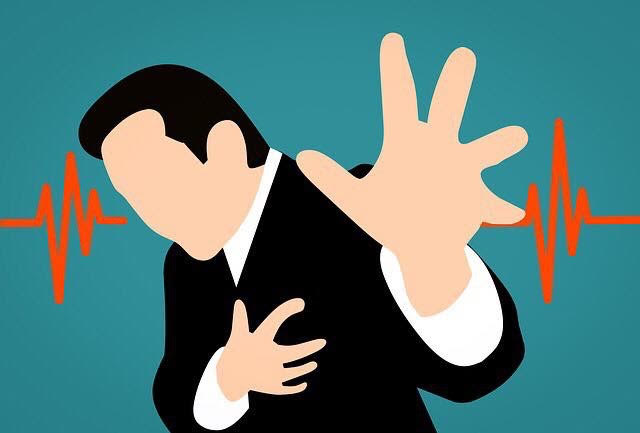
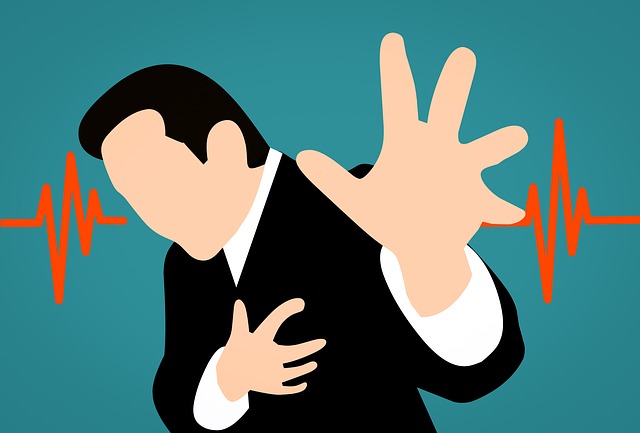 I blame those “Hollywood” heart attacks we see in the movies of men clutching their chests and collapsing from extreme chest pain. They fill our heads with what a heart attack looks like – and that is always Chest Pain.
I believe we women just can’t say those words, mainly because our discomfort is often not in our chest but in what we think of as a non-related area. But if we don’t say the words “chest pain” we may not receive the kind of care we need.
It seems to me, the answer lies in the medical community hearing our words and recognizing symptoms from our weird (to them) descriptions of discomfort.
I know pain, and that dull ache was just an inconvenient discomfort on a day I was too busy to be bothered with a little ache. So I did what we women do best – push through it so we can finish our errands, our project, our trip, whatever it is we’re doing.
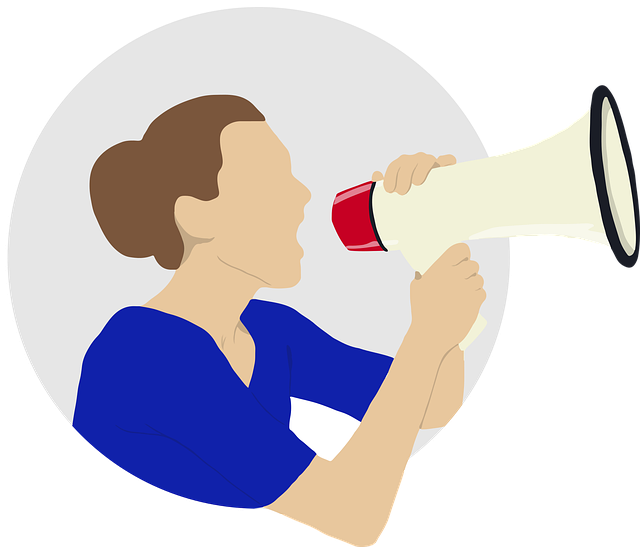 Next time you’re asked, “are you having chest pain” – describe your discomfort as something you know is a symptom for heart attack in women.
Also, use strong descriptive words and tell how it is affecting your lifestyle. (for example I could say, “my collarbone is aching and I believe that type of discomfort in my upper body could be a symptom of heart attack in women”) Name the exact location of the discomfort, point if you must. Don’t minimize your symptoms and never be embarrassed.
Remember your words matter, especially when it comes to your heart!
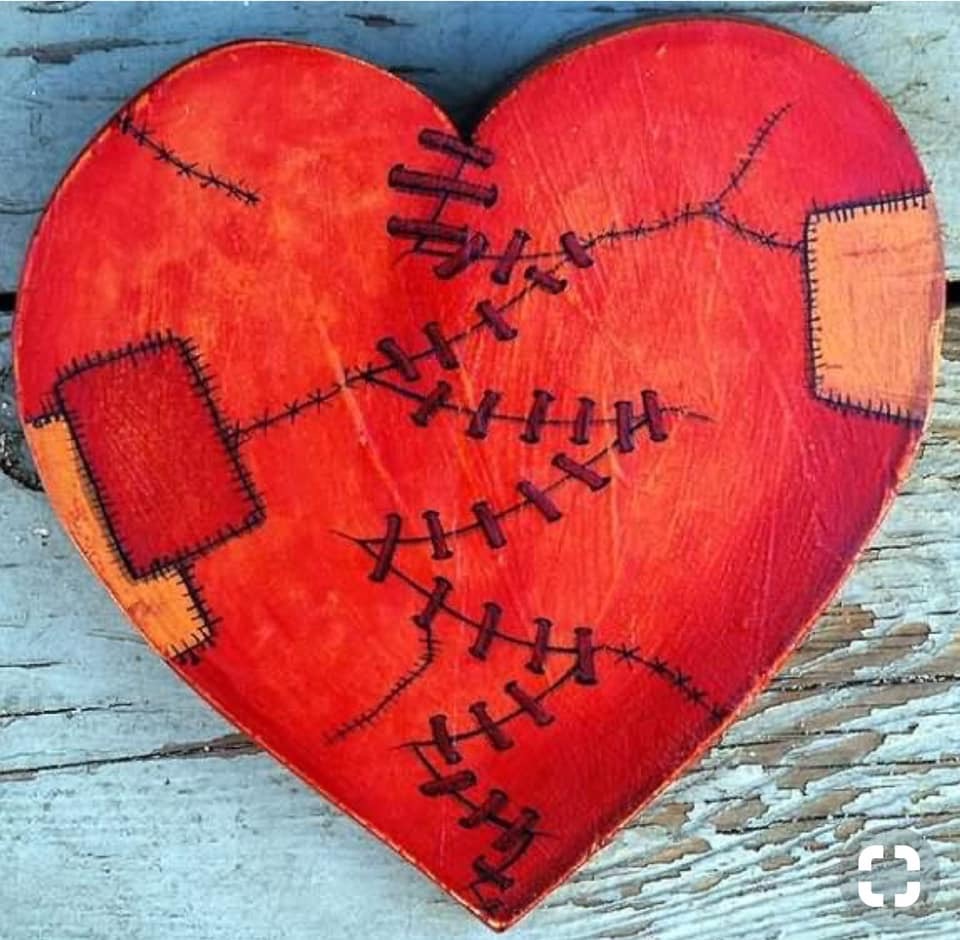
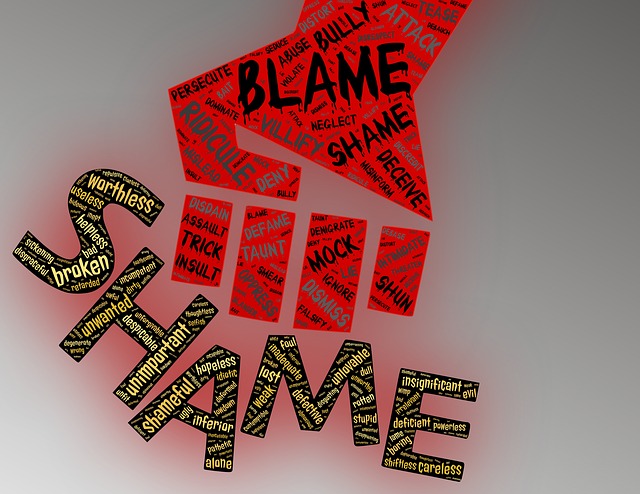 Then there’s the guilt over my life habits, smoking years ago and all those fatty foods I ate and shouldn’t have. And even worse, the guilt of thinking my “busyness” was so damn important! I am guilty of all that and yet I lived. My counselor says these feelings are normal.
 Now I say, “that was the old me, I’m not that person anymore.” I can say no to the things that will get done without me because I have to pull back. That pressure cooker life is over.